
Request Pricing
Get current pricing, available quantities,
photos, videos, and shipping options.
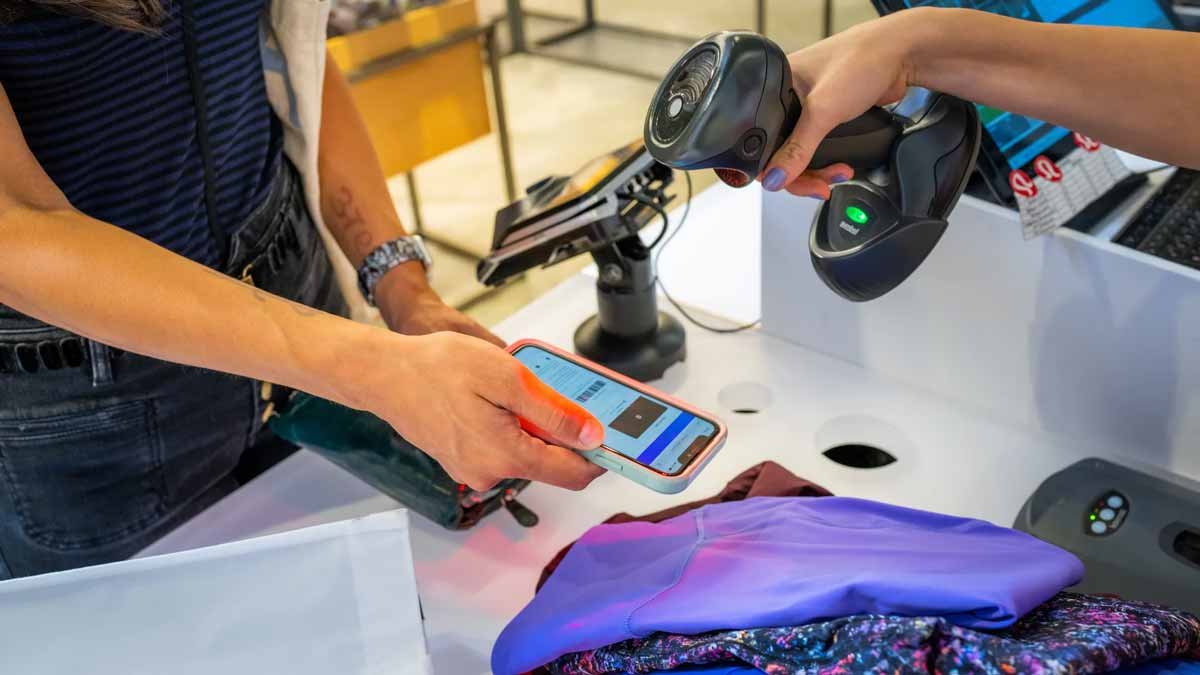
The second-hand clothing sector, the largest resale segment, now represents at least $43 billion in the United States alone, according to the latest report from the resale platform ThredUp. The stigma associated with buying used items has been replaced by attributes more appealing to Gen Z, such as bargain-hunting, value, and sustainability.
Growth in clothing resale is outpacing the retail market, but that doesn’t mean the space is free of challenges. It’s unclear how profitable online resale is, mainly due to operational inefficiencies in acquiring and selling used goods. Perhaps that’s why there have been consolidations and divestments in recent months.
Before the acquisition, Trove controlled 60% to 65% of U.S. branded retail market traffic; after the deal closes, the company expects to maintain 75% to 80% of that market.

Second-hand apparel company ThredUp announced it would exit Europe and is exploring strategic alternatives for Remix, a Bulgarian second-hand clothing company it acquired in 2021 for around $28 million. The company reported revenues of $79.8 million, down 3.5% year over year.
Despite efforts and investments, ThredUp’s European unit reported a revenue decline, with an adjusted EBITDA margin of negative 23%, leading the company to focus on the U.S. market.
Each year, billions of consumer goods go unsold or are returned, leaving retailers and manufacturers with congested warehouses and tied-up cash value. However, this unsold inventory is often in excellent condition, and its growing demand presents an opportunity to improve efficiency and financial performance.
Recommerce is the resale of returned, overstocked, or unsold items. For example, if a customer returns a jacket due to a poor fit, the retailer can process the refund and resell the jacket. If that’s not cost-effective, the retailer can sell these items in bulk to another business that profits from buying and reselling such goods—another form of commerce.
While joining the circular economy is excellent, brands and retailers who typically use traditional wholesalers and liquidators to move out surplus often cite a few key obstacles:
A commerce solution becomes vital for any brand or retailer in a world where much of what is produced goes unsold or returned. Even better, a resale model focused on the circular economy can benefit all players involved:
The circular economy opens new doors for the liquidation market. Businesses that fail to sell their original inventory can opt to liquidate these products through Orotex, offering a solution to manage surplus inventory efficiently. Unsold products are redistributed at competitive prices, allowing brands to cut storage costs, recover value, and contribute to sustainability.